
Growth and Nutrition course for Medical Doctors





This session covers assessing normal and abnormal growth, puberty and essential nutrition. This session uses self assessments that help you check what you have learnt. You do not have to use them and your answers are not seen by anyone else.
Learning objectives
By the end of this session you will be able to:
- Interpret age and sex dependent height, weight and body mass index (BMI) charts
- Describe growth changes at puberty
- Interpret abnormal growth trends:
- Obesity including growing into your weight
- Underweight and short stature
- List essential nutrition and risk factors and nutrient deficiencies
- Identify the uses and limitations of the National Child Measurement Programme (NCMP)
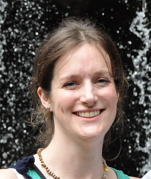
Charlotte Harrison is a Paediatric Specialist Trainee in Nottingham. She is particularly interested in providing holistic care to children within the Community.
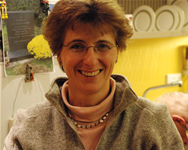
Rachel is a part-time GP and trainer in Redditch, Worcestershire, with particular interests in child obesity, adolescent health and women’s health.
She was appointed Royal College of General Practitioners (RCGP) Clinical Champion for Nutrition for Health in April 2011 and established the RCGP Nutrition Group in 2013.
Rachel contributed to the Academy of Medical Royal Colleges Obesity Steering Group 2013 report:- ‘Measuring up: The medical profession’s prescription to the obesity crisis’.
She contributed to the 2013 Royal College of Physicians ‘Action on Obesity: Comprehensive care for all report’, which looks at how the NHS should adapt to meet the needs of an increasingly obese nation.
Rachel has written two books – ‘Weight Matters for Children’ and ‘Weight Matters for Young People’, Radcliffe Publishing 2006. She has co-authored the obesity modules of the e-Learning for Health Adolescent Health Project and is a member of the RCGP Adolescent Health Group.
She has completed a research project in conjunction with Warwick University, examining the practicalities of offering a child obesity prevention intervention in primary care.
Rachel is married to a GP and we have three boys.

$99.00
$17.10
- Assessing Treatment Effectiveness course for Medic...
- Posted By eIntegrity Healthcare e-Learning
- Posted Date: 2024-04-19
- Location:Online
- This session describes how to compare the effectiveness of different analgesics and explains why com...
- Antidepressants and Anticonvulsants course for Med...
- Posted By eIntegrity Healthcare e-Learning
- Posted Date: 2024-04-19
- Location:Online
- This session describes the pharmacology of antidepressants and anticonvulsants and their clinical us...
- Local Anaesthetics course for Medical Doctors
- Posted By eIntegrity Healthcare e-Learning
- Posted Date: 2024-04-19
- Location:Online
- This session describes the pharmacology of local anaesthetics and their clinical uses as analgesics....
- Opioids for Persistent Pain: Using Opioids in Prac...
- Posted By eIntegrity Healthcare e-Learning
- Posted Date: 2024-04-19
- Location:Online
- This is the second of two sessions covering the use of oral and transdermal opioids for persistent p...
- COMPASS: Neutrophilic Dermatoses: An Overview (for...
- Posted By In Vivo Academy
- Posted Date: 2024-04-17
- Location:Online
- How much do you know about neutrophilic dermatoses? Learn to differentiate these autoinflammatory sk...